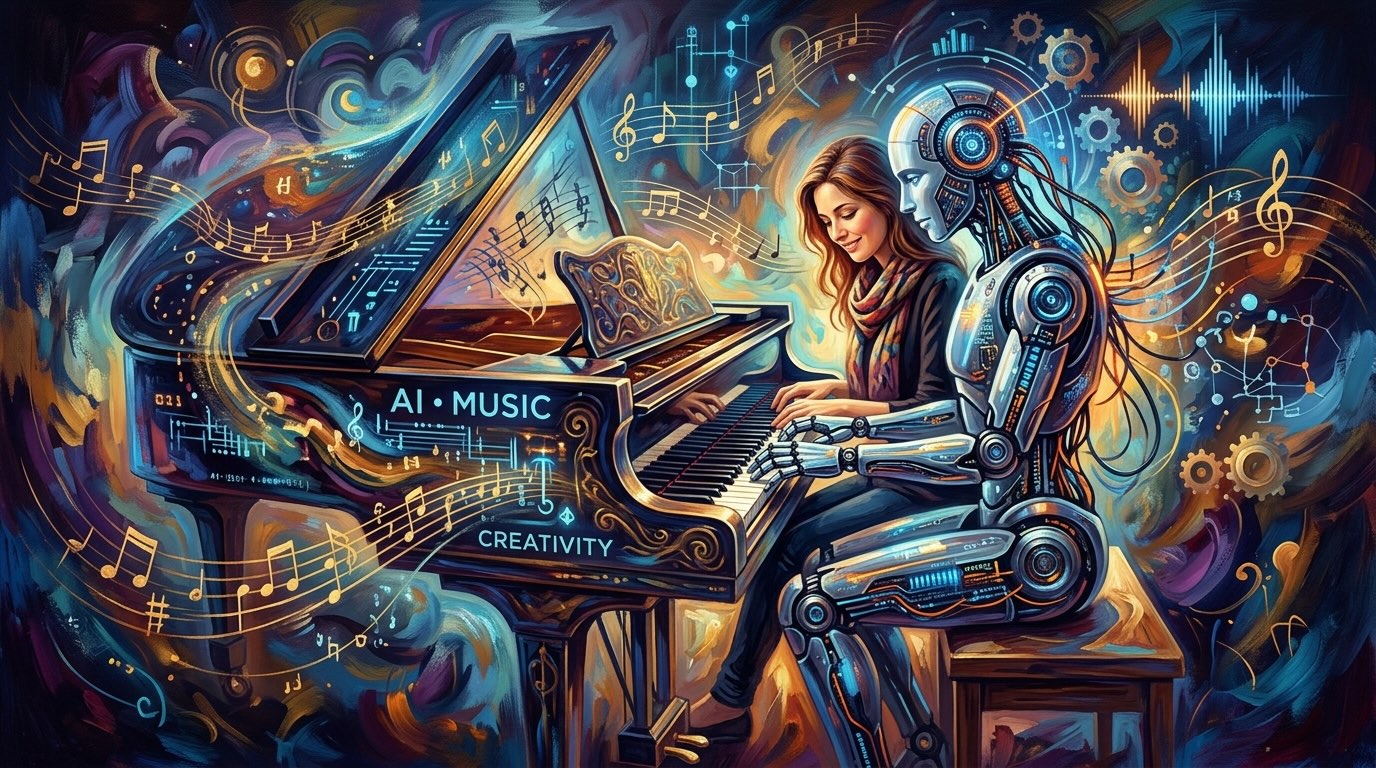
The Rapid Rise of Generative AI Music
The music industry is currently facing a paradigm shift driven by generative artificial intelligence. Tools like Suno, Udio, and Google’s MusicLM have made it possible for anyone to create studio-quality tracks with a simple text prompt. These platforms analyze vast datasets of existing music to replicate melodies, harmonies, and even convincing vocal performances. As these technologies become more sophisticated, the line between human-made and machine-generated content begins to blur, leading many to wonder if the "shine" of the human artist is at risk of being eclipsed by an infinite stream of algorithmically perfect songs.
The Human Connection: Why Artists Still Shine
While AI can mimic the structure of a hit song, it currently lacks the lived experience that fuels profound creativity. Human artists "shine" because they offer vulnerability, storytelling, and cultural context. When a listener connects with a song by Adele or Kendrick Lamar, they are connecting with a human narrative of heartbreak, struggle, or triumph. This parasocial relationship—the bond between the creator and the fan—is something AI cannot authentically replicate. According to a report by The Guardian, over 200 high-profile artists recently signed an open letter calling for protection against the predatory use of AI, emphasizing that music is a reflection of the human soul.
The Fan Perspective: Does Origin Matter?
The question of whether fans care "who or what" makes their music is divided. For casual consumption, such as "Lo-fi beats to study to" or background gym music, many listeners may not care if the composer is a person or a line of code. However, for "fandom"—the core driver of the music economy—the artist's identity is everything. Fans buy concert tickets, merchandise, and follow social media updates because they care about the person behind the art. A study discussed by Billboard suggests that while listeners are open to AI as a tool, there is a significant stigma against music that is fully generated without human oversight, often labeled as "soulless" or "fake."
Utility Music vs. Emotional Artistry
AI is likely to take over "utility music"—the functional tracks used in commercials, video games, and elevators. This shift may actually heighten the value of "real" human artists. As the market becomes saturated with AI-generated content, human-made music could become a luxury "organic" product. Just as digital photography didn't kill oil painting, AI music may create a new appreciation for the imperfections and tactile nature of human performance. Live music remains the ultimate frontier; fans pay to see a human being sweat, improvise, and interact with a crowd, an experience that a digital file, no matter how perfectly composed, cannot replace.
Conclusion: A New Era of Co-existence
AI music will undoubtedly change the industry landscape, but it is unlikely to take away the shine from human artists who prioritize authenticity. The "shine" comes from the artist's ability to mirror the human condition. While some fans may embrace AI for its convenience and novelty, the deep, transformative power of music will likely remain a human-to-human exchange. The future of music is not necessarily a battle between man and machine, but rather a new era where human creativity is challenged to reach even deeper levels of originality and connection.